Non-Owner SR-22 Insurance in Texas
If you need an SR-22 but do not own a vehicle, a non-owner policy can satisfy the filing. Eligibility limits stated plainly.
Aulona Insurance Group is an independent insurance agency licensed in Texas (Agency License #3481412) with an office in Plano. Luka Cenaj, a licensed Texas agent, is the reviewer of record for every coverage page on this site.
Texas Agency License #3481412 · NPN 22184980 · English & Albanian
On this page10 sections
- 1What a non-owner SR-22 policy covers in Texas
- 2What a non-owner SR-22 does not cover
- 3Who needs a non-owner SR-22 in Texas
- 4When the SR-22 belongs on the owner’s policy instead
- 5How long an SR-22 stays on file in Texas
- 6What Aulona Insurance Group can place, and the limit on it
- 7Where Aulona Insurance Group is not the right fit
- 8What moves the price of a non-owner SR-22 in Texas
- 9How the county of residence enters a non-owner rate
- 10How the SR-22 filing gets made through Aulona Insurance Group
What a non-owner SR-22 policy covers in Texas
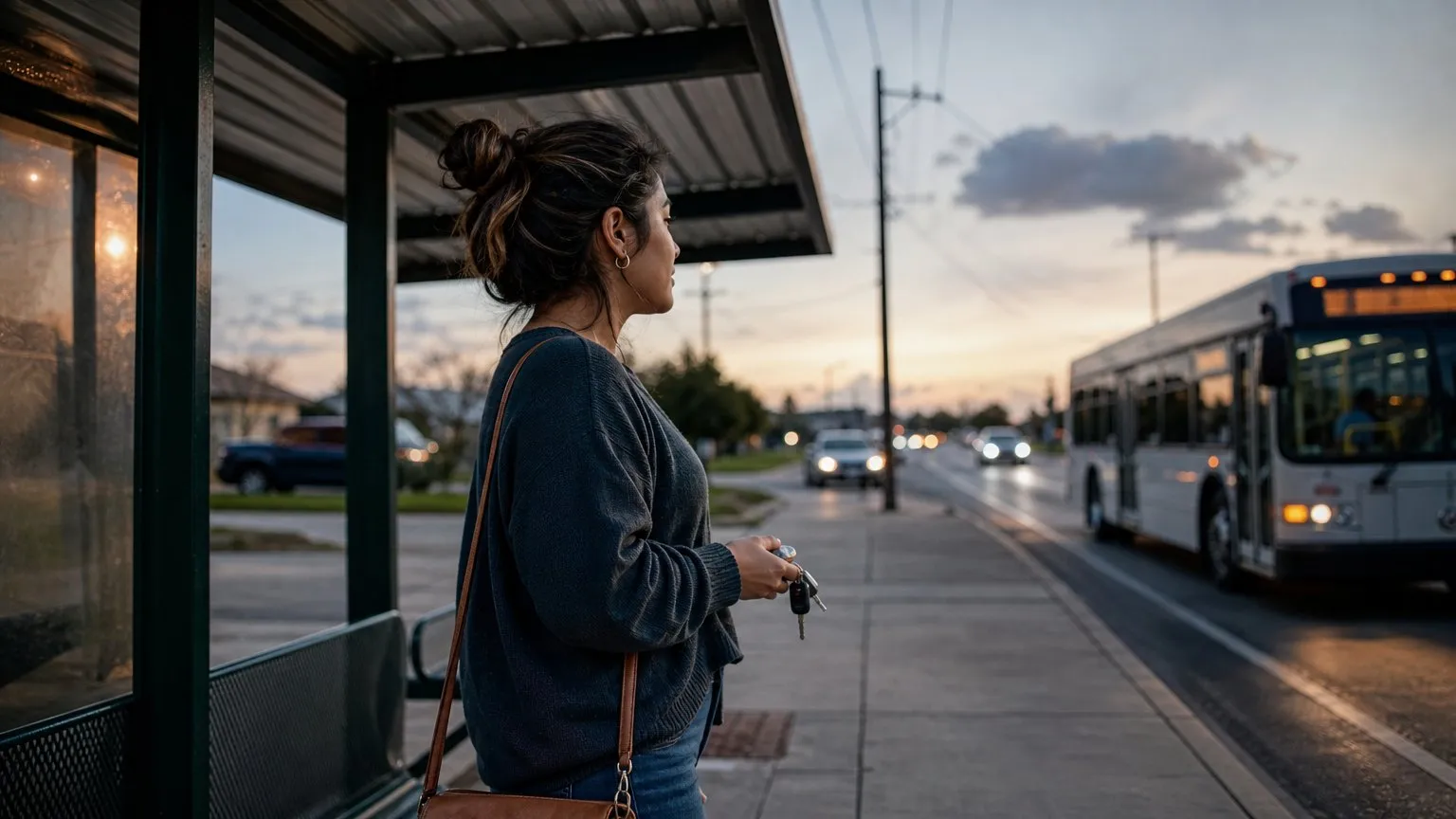
A non-owner SR-22 is a liability-only auto policy issued to a licensed driver who owns no vehicle, with an SR-22 certificate filed against it. The coverage follows the driver rather than a car.
Two documents are doing two jobs here. The policy provides the liability coverage. The SR-22 is the certificate the insurer files with the Texas Department of Public Safety to prove that coverage exists, under Texas Transportation Code chapter 601.
The liability limits are the ordinary Texas limits set by Texas Transportation Code §601.072, written 30/60/25:
- $30,000 for injury to one person
- $60,000 for injuries in one accident
- $25,000 for damage to another person’s property
A driver borrowing a friend’s car occasionally, or renting one, has liability coverage behind them while the filing stays in force.
What a non-owner SR-22 does not cover
A non-owner policy covers the driver’s liability to other people and nothing beyond that, which narrows it sharply.
Not covered by a non-owner SR-22:
- Damage to the borrowed or rented vehicle itself, because there is no comprehensive or collision coverage on a policy with no vehicle on it
- Any vehicle the driver owns, at any point during the term
- A vehicle owned by anyone else in the household
- A vehicle made available to the driver for regular use, such as a car kept at the house or supplied by an employer
- Commercial use, delivery, or carrying passengers for pay
The vehicle owner’s own policy pays first when a borrowed car is involved. A non-owner policy sits behind that coverage rather than replacing it, which is why the form exists for occasional driving and not for a daily car.
Who needs a non-owner SR-22 in Texas
A Texas driver needs the non-owner form when a filing is required and no vehicle stands in the driver’s name to attach it to. The triggers themselves are set out on the SR-22 page above this one.
Situations where the non-owner form is the only one available:
- The car was sold, traded or totaled, and the filing period still has months left on it
- The driver has never owned a vehicle and drives borrowed or rented cars
- The driver is rebuilding a license and wants coverage in force before buying a car again
The Texas Department of Public Safety holds the evidence for the full period whether or not the driver owns anything, so owning no car is not a reason the filing waits.
When the SR-22 belongs on the owner’s policy instead
A non-owner policy is written for a driver with no car at hand, so the vehicles in the household decide which form fits.
You do not own a car and do not have regular use of one. A non-owner policy covers you when you occasionally borrow or rent. It does not cover a car owned by anyone in your household, or a car available to you for regular use. A driver in that position belongs on the owner’s policy as a listed driver, with the SR-22 attached there.
How long an SR-22 stays on file in Texas
The SR-22 stays on file for two years, counted from the date of the conviction (or, after a crash judgment, from the date the judgment was rendered), not from the day the policy starts. The insurer files the certificate with the Texas Department of Public Safety and reports a cancellation or non-renewal to DPS automatically.
Texas Transportation Code ch. 601 keeps the requirement alive until evidence of financial responsibility has been on file for the full period, so the clock runs on the filing rather than on any one policy term. A day without that evidence brings the license suspension back, which is why a cancellation for non-payment costs a non-owner driver more than the missed payment. A change of insurer inside the two years works when the new policy carries the filing with no gap between the two.
What Aulona Insurance Group can place, and the limit on it
Aulona Insurance Group places a non-owner SR-22 for a listed driver, statewide in Texas, and that is the only non-owner policy the agency writes.
Stated plainly: non-owner auto coverage is outside the agency’s appetite except as a non-owner SR-22 for a listed driver. A non-owner policy without a filing behind it, sold for convenience or for renting cars, is not something Aulona Insurance Group places.
The filing itself is routine work for the agency. Aulona Insurance Group places personal auto policies with SR-22 filings for standard and non-standard risk, through insurers it holds appointments with, and does not quote insurers it does not represent.
Luka Cenaj, the agency’s licensed principal, confirms the trigger and the required period on a recorded call before anything is bound.
Where Aulona Insurance Group is not the right fit
Aulona Insurance Group turns away several situations that look like a non-owner SR-22 and are not.
Outside the markets Aulona Insurance Group holds:
- A non-owner policy with no SR-22 filing behind it, on any basis, including one bought for rentals
- A driver who owns a vehicle, who needs an owner’s policy with the filing attached
- A vehicle made available for regular use, such as one kept at the house or supplied by an employer, which underwrites as owned
A non-owner policy assumes no vehicle is at the driver’s disposal. Once one is, the form is wrong and the filing behind it is exposed.
Price bands, model years, VIN requirements and post office box garaging sit on the Texas auto insurance hub.
A vehicle used for business, or titled to an LLC, corporation, partnership or trust, is not written on a personal auto policy. Aulona Insurance Group places it as commercial auto instead. See Commercial Auto Insurance in Texas.
What moves the price of a non-owner SR-22 in Texas
The premium on a non-owner SR-22 is set by the insurer, not by Aulona Insurance Group, and no figure for it appears anywhere on this site.
What the insurer weighs:
- The conviction that triggered the filing, and whether it was a driving while intoxicated conviction
- Any lapse in the record, since an uninsured period rates alongside the trigger
- Other violations and at-fault accidents on the same record
- Liability limits chosen above the 30/60/25 floor
- The county where the driver lives
How the county of residence enters a non-owner rate
A non-owner policy has no garaging address, so the driver’s own county carries the rating territory instead. Texas Insurance Code §2253.001 stops an insurer that subdivides a county into rating territories from charging any subdivision more than 15 percent above another for identical coverage, and 28 TAC §5.9960 lets it exceed that only on a rate that is actuarially sound and supported by data filed with the Texas Department of Insurance.
A driver who moves during the filing period changes the rating territory and the address on the certificate at once, and the insurer has to be told about both.
Aulona Insurance Group publishes no premium on this site and does not rank insurers by price. The number comes from the insurer, on the call.
How the SR-22 filing gets made through Aulona Insurance Group
Once the policy is bound, the insurer files the SR-22 with the Texas Department of Public Safety. The agency requests the filing at binding and confirms the case number with the driver on the recorded call.
Three steps:
- Answer eight questions on this site, which takes about two minutes and ends with a one-time code sent to your mobile number.
- Take the call from Luka Cenaj, who confirms that a non-owner policy is the right form, the case behind the filing, and how long it has to run.
- Let Aulona Insurance Group place the policy, after which the insurer sends the certificate to the Texas Department of Public Safety.
A driver who would rather skip the form can use the callback option on any screen and get the same call. Drivers who prefer Albanian can have the whole conversation in Albanian.
What happens when you contact us
Form, call, placement. No pricing is shown before a licensed agent has spoken with you.
Answer eight questions
About two minutes. We text a code to confirm your number, so we reach the right person.
A licensed agent calls you
Luka goes through coverage and your situation. No pricing is shown before that call.
Coverage gets placed
We go to the markets we hold appointments with and tell you plainly if we are not the right fit.
This page covers one part of SR-22 Insurance in Texas.
Related
